
Protect Your Florida Home During Closing with a Comprehensive Termite Inspection
Kevin Blanks • February 26, 2026
Florida Termite Inspection for Homebuyers: A Thursday WDO Plan That Protects Your Investment
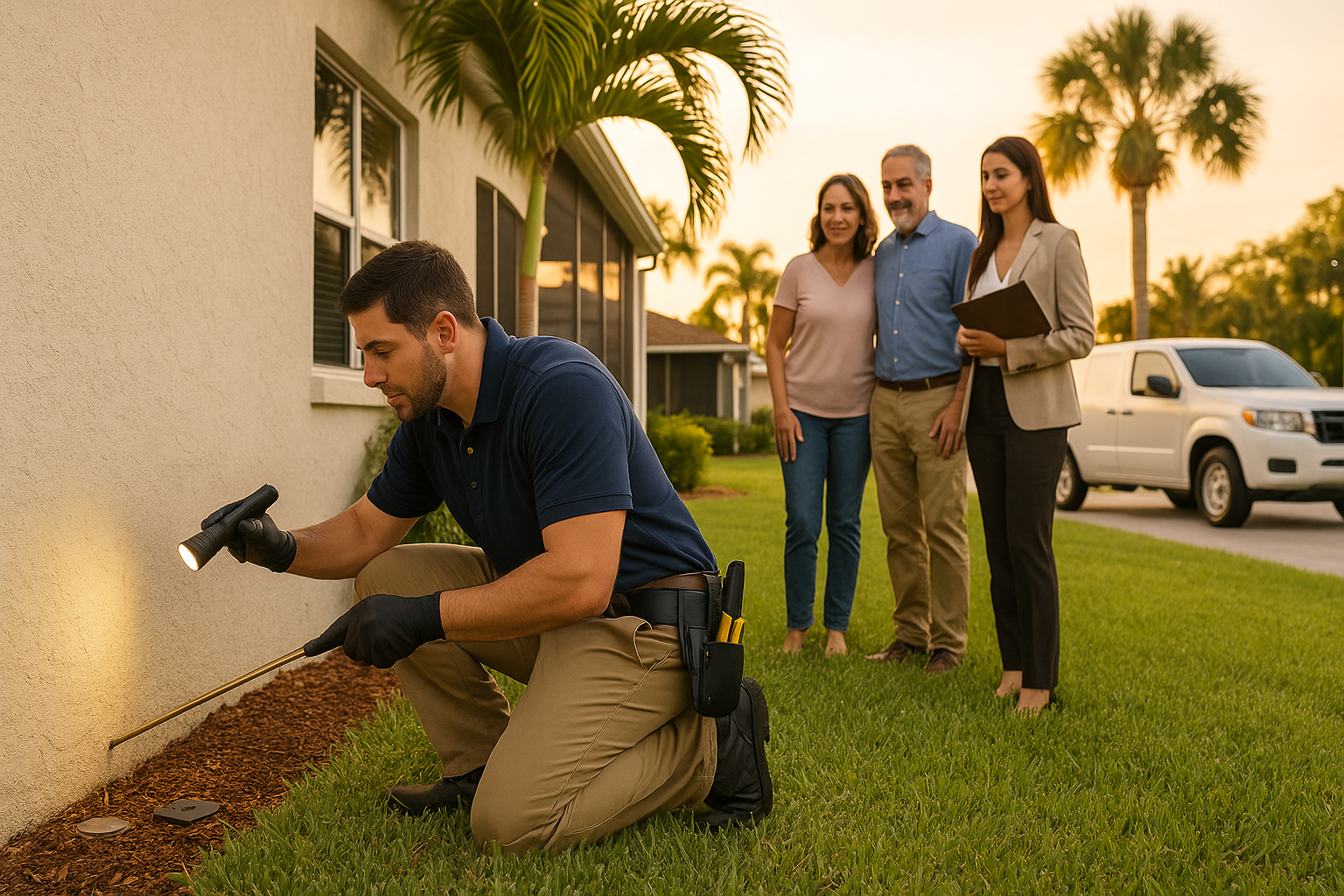
Buying in Florida without a thorough Florida Termite Inspection for Homebuyers is like skipping the roof on a new build—risky and expensive. On Thursdays, many contracts push toward weekend walkthroughs and next-week closings, so this is the perfect moment to get clear, science-backed answers about wood-destroying organisms (WDOs) before you sign. At Superior Spray, we deliver meticulous WDO inspections, explain exactly what we find, and map out practical steps to protect your new home—from moisture fixes and access sealing to targeted termite treatments and long-term pest prevention.
WDO vs. “termite inspection”: what lenders and buyers actually need
In Florida, a WDO inspection covers more than just subterranean or drywood termites—it evaluates evidence of and conditions conducive to wood-destroying organisms (including certain beetles and wood-decay fungi). Lenders and many real estate contracts require a formal report documenting findings and recommendations prior to closing. The goal is twofold: confirm whether termites or other WDOs are active now, and identify risk factors that could invite activity soon after you move in.
For homeowner-friendly context, the EPA provides a clear overview of how to identify termites and common control options you’ll hear us discuss on-site: EPA: How to Identify and Control Termites. Florida’s Department of Agriculture and Consumer Services also publishes practical termite prevention tips and consumer guidance: FDACS: Protect Your Home From Termites.
What we look for during a Florida Termite Inspection for Homebuyers
We approach every property like a puzzle, using inspection points that match Florida’s climate and construction styles. On slabs and piers, we look for pencil-width mud tubes, moisture at the slab edge, bubbling or blistered paint, hollow-sounding trim, and shed wings after previous swarms—classic subterranean flags. For drywood termites, we scan for pepper-like frass (pellets) beneath tiny “kickout” holes, scattered swarmers or wings near lights, and localized damage to trim, door frames, and rafters. Because Florida also faces aggressive subterranean species, we keep Formosan red flags on the list—especially where dense vegetation, irrigation, and stucco ground contact intersect.
If you want species-specific background while we’re lining up your inspection, UF/IFAS offers helpful deep dives on Drywood Termites and Formosan Subterranean Termites.
Before the walkthrough: small choices that preserve evidence
If you or the seller noticed wings on a windowsill or a suspicious line on the stem wall, resist the aerosol impulse. Over-the-counter sprays can scatter swarmers and contaminate areas we need to examine closely, delaying accurate identification. Instead, collect a few wings or pellets in a clear bag, snap photos of where you found them, and leave representative evidence in place. We’ll confirm the species, scope the spread, and build a plan that fits the structure and your closing timeline.
How construction type shapes a smart WDO inspection
Every Florida home is unique, but patterns repeat. On slabs, we pay special attention to grade lines, stucco-to-soil contact, and irrigation overspray that keeps foundations wet. In crawlspaces, we watch for wood-to-soil contact, high humidity, and plumbing leaks that turn subfloors into termite targets. In block-and-stucco builds, we examine weep holes, penetrations, and transitions that can conceal foraging paths. For coastal or high-humidity homes, attic ventilation and bathroom/kitchen exhaust become prime risk controls—drier voids mean fewer pest-friendly conditions.
Moisture and access: the two quiet drivers of termite pressure
Florida termites follow moisture and concealment. That’s why a Florida Termite Inspection for Homebuyers factors in grading, gutter flow, downspout placement, and irrigation patterns—along with sealing and screening around utility penetrations, door thresholds, and vents. These same upgrades help with our broader pest control program: rodent exclusion (for rats and mice) that hardens the shell against gnaw points, and crack-and-crevice blocks that discourage large roaches from slipping inside during wet weather. One improvement often solves two or three problems at once.
If we confirm activity: species-matched treatments that fit your timeline
When subterranean termites are active, we typically deploy a proven soil termiticide around the structure to establish protective treated zones; in other cases, we install professional bait systems that intercept and eliminate colonies over time while giving you continuous monitoring. For drywood termites, localized gallery injections can solve contained issues in trim, frames, or rafters; if activity is widespread across multiple sites, whole-structure fumigation may be the fastest, most reliable route. We’ll explain exactly what each option accomplishes, what preparation looks like, and how we verify results—so you can proceed with purchase decisions confidently and transparently.
Negotiating repairs, warranties, and re-inspections
Clear documentation helps everyone move forward. We provide written findings, photos, and a step-by-step plan. If treatment is needed, we’ll outline whether seller-side repairs (like downspout extensions, mulch pullback, or replacing wood-to-soil contact) are advisable before or immediately after closing. We’ll also discuss warranty options and monitoring schedules that keep your protection current year after year. If your contract calls for re-inspection or post-repair verification, we’ll coordinate the timing so your closing calendar stays intact.
Landscape choices that reduce termite pressure after move-in
We think outside the walls because many indoor issues start outdoors. Dense plantings pressed against siding keep walls shaded and damp, thick mulch against the slab holds moisture where termites love to travel, and overgrown canopies drop debris that becomes wood food. That’s why Superior Spray connects structural protection to exterior resilience:
Our lawn spraying program targets turf pests and corrects moisture-management patterns that keep slab edges soggy. Shrub tree care lifts and thins dense plantings to restore airflow along the structure. In shaded pockets, moss spraying improves light and dry-down after storms. Tree injections deliver nutrients or therapeutic materials directly into the vascular system, strengthening trees from within and reducing the debris that pests exploit. Healthier plants and cleaner edges lower termite opportunities and reduce harborage for other pests long-term.
Other pests that ride the same conditions—and how we integrate solutions
Excess moisture and poor sealing don’t just attract termites. Large outdoor cockroaches thrive along shaded, perpetually damp foundations; rodents (rats and mice) use dense vegetation and utility penetrations like runways. When we perform a Florida Termite Inspection for Homebuyers, we scan for these related risks and, when helpful, fold targeted pest control and rodent exclusion into your plan. If bed bugs ever enter the picture after travel or moves, we address them with a specialized process that won’t conflict with your termite strategy. If you’ve ever been up late searching “pest contro” on your phone after a surprise sighting, we’ll make your next step simple and effective.
Your Thursday closing-week WDO checklist
- Preserve evidence: Save wings or pellets in a clear bag and photograph mud tubes or blistered paint; avoid aerosols until inspection is complete.
- Dry the perimeter: Clear gutters, add downspout extensions, and pull mulch a few inches off the slab (keep depth near 2 inches) to reduce moisture bridges.
- Open access: Ensure attic, garage, and crawlspace entries are unobstructed so we can inspect thoroughly and keep your schedule on track.
- Flag water issues: Note hose-bib leaks, soggy beds along the foundation, or chronic interior drips under sinks—these conditions guide a better plan.
- Ask about species and scope: We’ll confirm drywood vs. subterranean, show you photos of findings, and explain why our recommendations match your structure.
- Plan the handoff: If repairs or treatments fall on the seller, align timing so warranty coverage and monitoring begin before or immediately after closing.
- Think forward: Discuss termite monitoring, perimeter care (lawn spraying, shrub tree care, moss spraying, tree injections), and annual pest prevention so protection stays current.
Why homebuyers choose Superior Spray
We’re a Florida-first team that pairs meticulous WDO inspections with clear, species-matched solutions and practical prevention that fits real homes and real timelines. Inside, we protect your structure with targeted termite strategies and precise pest control—no blanket indoor spraying. Outside, we reduce pressure before pests reach your thresholds through landscape services that keep edges cleaner and drier. And because homes rarely face a single threat, we integrate rodent exclusion (for rats and mice), targeted programs for cockroaches and bed bugs, and year-round pest prevention into one plan, one schedule, and one accountable team.
Make this Thursday the day your new home gets protected
A Florida Termite Inspection for Homebuyers should replace guesswork with facts—species ID, clear findings, and a right-sized plan you can act on. At Superior Spray, we bring science-backed inspection, proven treatments, and connected indoor–outdoor prevention to your closing table. Whether you need a same-week WDO, a second opinion before negotiations, or a long-term plan that also strengthens your landscape, we’re ready to help you move in with confidence.
If you’re exploring home health care options, let’s talk about what support looks like for your situation. Call 863-682-0700
Request Service
Request a Free Estimate
Fill out the form below. This form will take less than a minute to complete.
* indicates required fields