
Drywood Termite Identification, Treatment, and Prevention Tips for Florida Homeowners
Kevin Blanks • February 12, 2026
Drywood Termites in Florida: A Thursday Homeowner’s Guide to Identification, Treatment, and Prevention
Drywood Termites in Florida don’t need soil contact to cause damage—which is why they can quietly infest trim, furniture, rafters, and door frames long before you notice. At Superior Spray, we help homeowners tell drywood activity from subterranean termites, choose the right treatment (from precise spot injections to whole-structure fumigation), and strengthen the home so new colonies can’t take hold. If it’s Thursday and you just found pepper-like pellets under a windowsill or a few winged alates near a lamp, this is your step-by-step plan to act now and protect your structure for the long term.
Why Drywood Termites in Florida are different—and why it matters
Unlike subterranean termites that live in the soil and travel through mud tubes, Drywood Termites in Florida live entirely inside sound, dry wood. That difference changes everything—where we look, how we confirm activity, and which treatments will actually solve the problem. Drywood colonies often start small and spread through multiple sites in a structure, which is why early, accurate identification is critical. For a clear, homeowner-friendly overview of termite fundamentals, the EPA’s guide is a great primer: EPA: How to Identify and Control Termites.
Florida’s universities have deep, practical resources on termite biology and control. If you want a species-level look at drywood termites and their signs (like frass and kickout holes), UF/IFAS offers a detailed reference here: UF/IFAS: Drywood Termites. For context on aggressive subterranean species you may also hear about (like Formosan), see UF/IFAS: Formosan Subterranean Termite. Florida’s Department of Agriculture and Consumer Services also provides straightforward homeowner guidance: FDACS: Protect Your Home From Termites.
Spotting drywood activity: the small clues that matter
Drywood Termites in Florida often leave distinctive evidence:
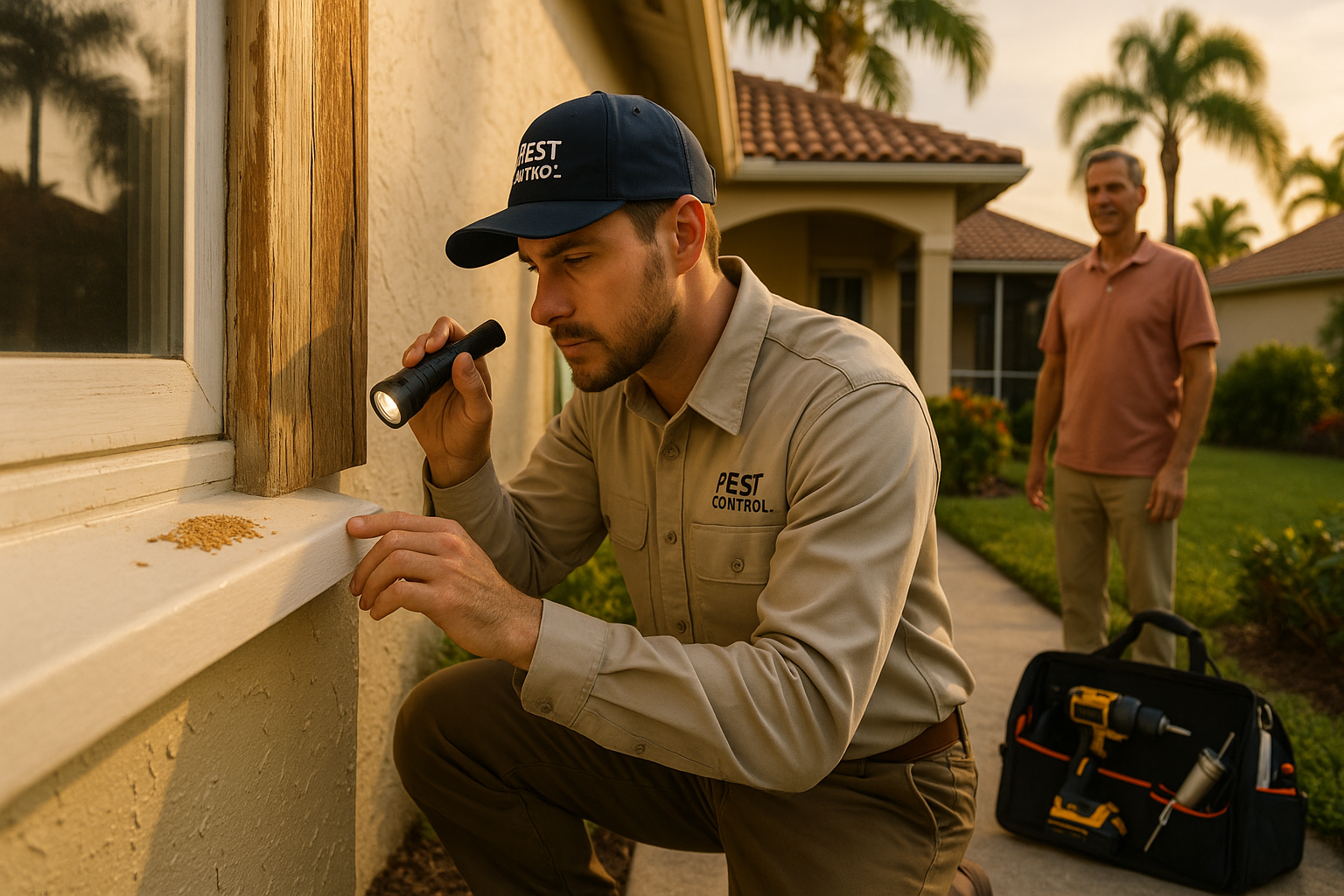
Pellet-like frass: Drywood droppings look like tiny, ridged, pepper-like pellets that pile beneath small “kickout” holes. Color can vary with the wood they’ve eaten.
Sporadic swarmers indoors: Winged alates may appear around lights or windows, often later in the day or evening and outside typical spring swarming windows for subterraneans.
Tiny kickout holes and faint rustling: You might notice pinhead-sized holes or hear faint ticking in quiet rooms if an area is active.
Because drywood colonies live entirely in the wood, you won’t see ground-level mud tubes (a subterranean trait). Preserving pellets and wings for identification speeds the right treatment choice.
Thursday action plan: what to do today if you see signs
If today’s the day you noticed something off—pellets, wings, or a suspicious hole—the goal is to keep evidence intact, confirm species, and choose the best control method the first time. That’s where we come in. At Superior Spray, our inspections are designed to answer three questions quickly: Is it drywood or subterranean? How localized is the activity? And which treatment will deliver results with the least disruption?
Treatment choices for Drywood Termites in Florida: how we decide
Effective control hinges on an honest read of where termites are and how far they’ve spread. We’ll walk you through options step by step.
Localized injections: When activity is contained and accessible, we can inject targeted materials directly into galleries through tiny, precise drill points. This approach preserves finishes and solves problems confined to trim, furniture, or a small section of framing.
Protective wood treatments: In appropriate areas, we may apply borate-based wood treatments to protect vulnerable, accessible wood from future colonization.
Whole-structure fumigation: If drywood activity is widespread or scattered across multiple sites, fumigation is often the most reliable route. It penetrates the entire structure to reach hidden galleries. We’ll explain preparation, what happens during the tenting process, and how we verify results after service.
Subterranean contingency: If we confirm subterranean termites instead of drywood, we pivot to soil termiticides or baiting strategies that intercept and eliminate colonies at the source. That’s a different plan—with different goals and timelines—but it’s part of our comprehensive termite and pest control toolkit.
Moisture and maintenance: the quiet backbone of prevention
Even though Drywood Termites in Florida don’t need soil moisture, humidity and shelter still make your home more inviting. We prioritize small, practical upgrades that go a long way:
Seal and paint exposed exterior wood to limit entry points. Repair weathered caulk and gaps around windows and doors.
Maintain strong attic and bathroom ventilation to keep humidity in check. Fix slow leaks under sinks and around hose bibs.
Break contact bridges where pests travel—trim back branches and vines that touch siding and rooflines.
These same steps support rodent exclusion against rats and mice, and they reduce harborage for cockroaches—strengthening whole-home pest prevention with minimal disruption to your routine.
From the yard in: landscape choices that reduce pressure
Your landscape affects termite risk more than you might think. Dense shrubs pressed against siding keep surfaces shaded and slow dry-down after rain; overgrown canopies drop debris that turns into wood food and cover. We connect interior protection with exterior resilience:
Lawn spraying helps correct moisture imbalances and reduce debris along slab edges. Our shrub tree care thins dense growth to restore airflow against the structure. In shaded pockets, moss spraying improves light and dry-down after storms. Tree injections strengthen stressed trees from the inside out, leading to less leaf and limb litter—less fuel for pests. Healthier plants and a drier perimeter make it harder for Drywood Termites in Florida—and their subterranean cousins—to gain a foothold.
Your Thursday drywood checklist: preserve clues, reduce risk, and call us
- Collect, don’t scatter: Save a few pellets (frass) or wings in a clear bag; snap photos of kickout holes and note where/when you found them.
- Skip aerosols: Over-the-counter sprays can scatter swarmers and contaminate areas we need to inspect.
- Stabilize humidity: Run bath/kitchen fans; fix slow drips; improve attic ventilation if it’s been musty.
- Protect exposed wood: Caulk and paint weathered trim; seal gaps at windows, doors, and utility penetrations.
- Reduce bridges and debris: Trim shrubs and limbs touching the house; remove wood scraps; store firewood off the ground and away from the structure.
- Keep evidence visible: Light cleanup is fine, but leave a representative sample of pellets/wings in place for our inspection.
- Call Superior Spray: We’ll confirm species, assess spread, and outline the right mix of localized treatments, protective wood applications, or fumigation.
What to expect when we inspect and treat
We start with listening—what you saw, where you saw it, and what changed recently (like a renovation, storm, or new landscaping). Then we inspect targeted rooms and the building envelope to confirm species and map activity. If we recommend localized drywood treatments, expect precise, minimally invasive drill-and-inject work along affected trim, frames, or rafters. If we recommend fumigation due to widespread activity, we’ll walk you through timing, preparation, and safety, and we’ll schedule follow-up checks to verify control and discuss prevention upgrades that fit your home and budget.
Connected pests: one plan that solves multiple pressures
Because the same shelter and humidity that encourage Drywood Termites in Florida also benefit other pests, we look at your home as a complete system. Indoors, our pest control program uses targeted baits and crack-and-crevice applications for cockroaches—never heavy, broad-scope spraying. Around the exterior, we recommend rodent exclusion that seals gnaw points and screens vents so rats and mice can’t move in. If travel ever introduces bed bugs, we’ll design a specialized plan that coordinates with your broader services. One plan, one team, fewer surprises.
Why Superior Spray for Drywood Termites in Florida
We’re Florida-first and results-focused. Our approach blends accurate identification, clear explanations, and proven treatments with practical, real-world prevention. We tailor termite strategies to your structure—localized injections, protective wood treatments, or whole-structure fumigation where warranted—and we stay with you through post-treatment monitoring. Outside, we connect lawn spraying, shrub tree care, moss spraying, and tree injections to your interior comfort so pressure drops before pests ever test your thresholds. And if you’ve been up late searching “pest contro” after finding pellets or wings, we’ll make your next step simple and effective.
Make this Thursday the day drywood termites lose ground
Drywood Termites in Florida don’t have to turn into a major repair. Preserve the clues, lower humidity and bridges, and bring in a team that can distinguish drywood from subterranean and match treatment to your home—not the other way around. At Superior Spray, we integrate termite protection with broader pest prevention so your structure gets stronger from the inside out—fewer cockroaches at the threshold, tighter rodent exclusion, and a landscape that supports a healthier, calmer home.
If you’re exploring home health care options, let’s talk about what support looks like for your situation. Call 863-682-0700
Request Service
Request a Free Estimate
Fill out the form below. This form will take less than a minute to complete.
* indicates required fields